Peatland Restoration in the Cairngorms National Park
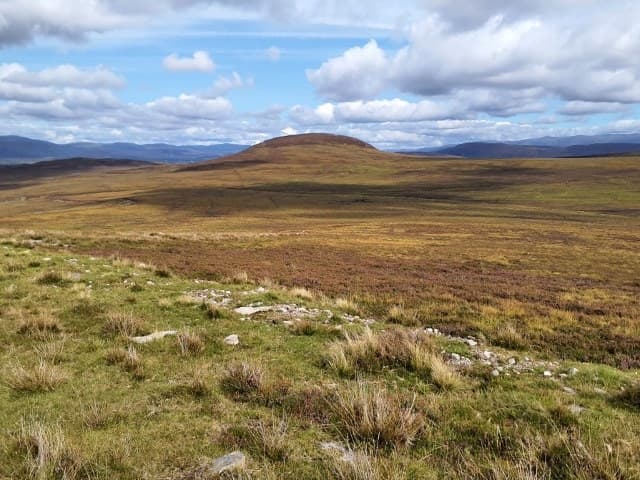
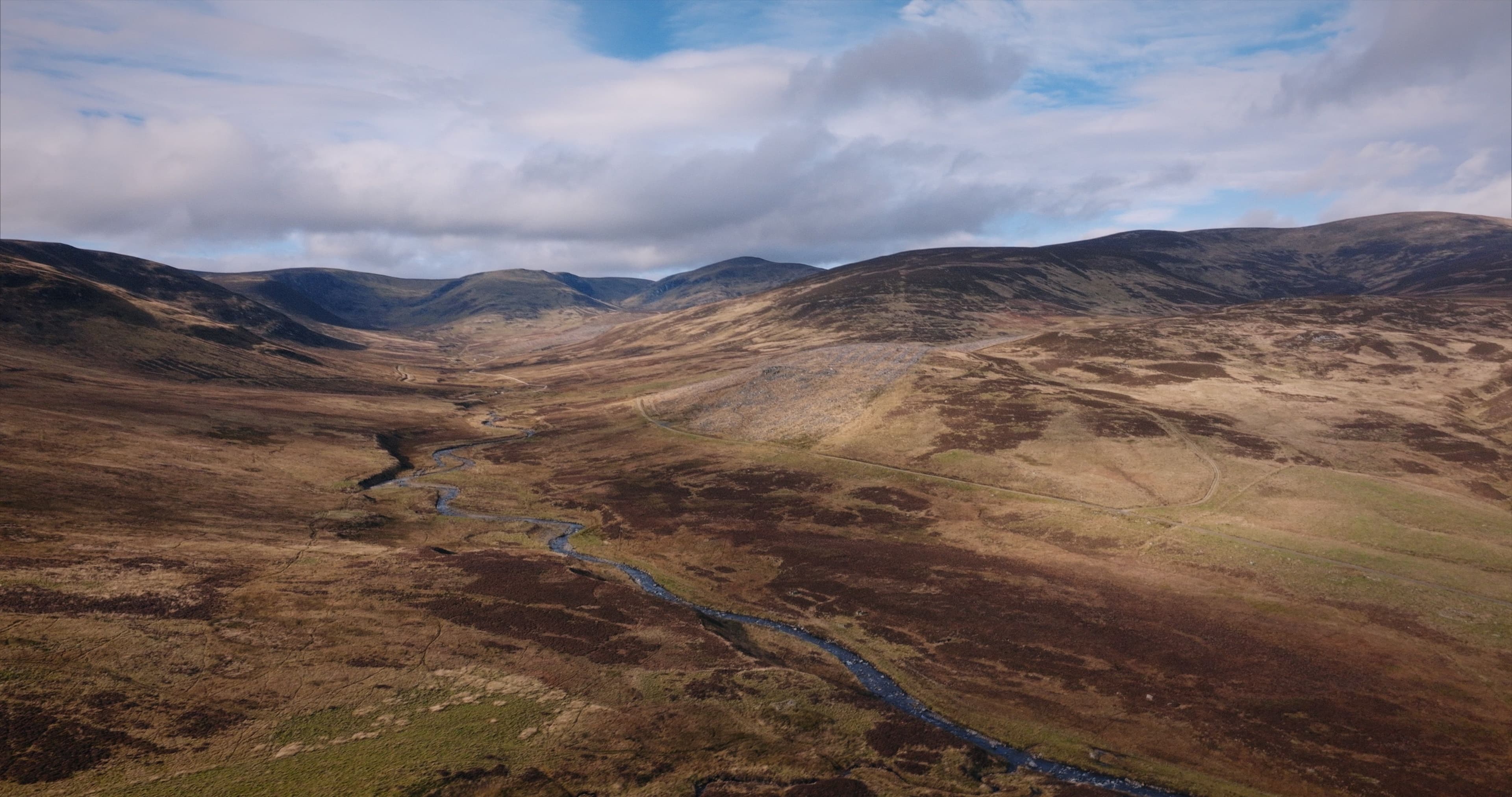
For years, an intensive network of man-made drains had been actively degrading and eroding 312 hectares of peatland, resulting in scarring, erosion, and areas of bare peat that lacked all vegetative cover. Together, this resulted in a lowering of the wetland water table, increased carbon emissions and degradation of the bog habitat. The landowner engaged Zora Ecosystems to devise a plan of action to dam and re-profile the artificial drains.
In collaboration with local experts, we devised a plan to block and re-profile the peatland drains, restore the water table, recover bog-vegetation, and regenerate the fragile bog habitat. In addition to securing the carbon stored onsite, reestablishing healthy ecosystem functions aimed to mitigate the risk of flooding downstream while building resilience in the face of climate change.
To understand the issues at hand, we used our platform to identify locations of suspected deep peat, classify peatland habitats according to their specific sub-categories, locate vulnerabilities, such as archaeological remains, streamline desk-based analysis to ensure location eligibility, and pinpoint potential challenges and constraints.
This laid the groundwork to rapidly develop detailed cost estimates, design plans and timelines, plus quantify estimated revenues from Peatland Carbon Units (PCUs). Once we completed the desktop analysis, we confirmed the study results and refined initial estimates. In parallel, the landowner commissioned ground surveys in parallel. These were incorporated with the desktop analysis to refine the data and create a detailed picture.
Through close collaboration with local contractors and external parties, we used a combination of wave damning and zippering to successfully block the artificial drains and promote the natural restoration of the water table, effectively re-wetting the peatland.
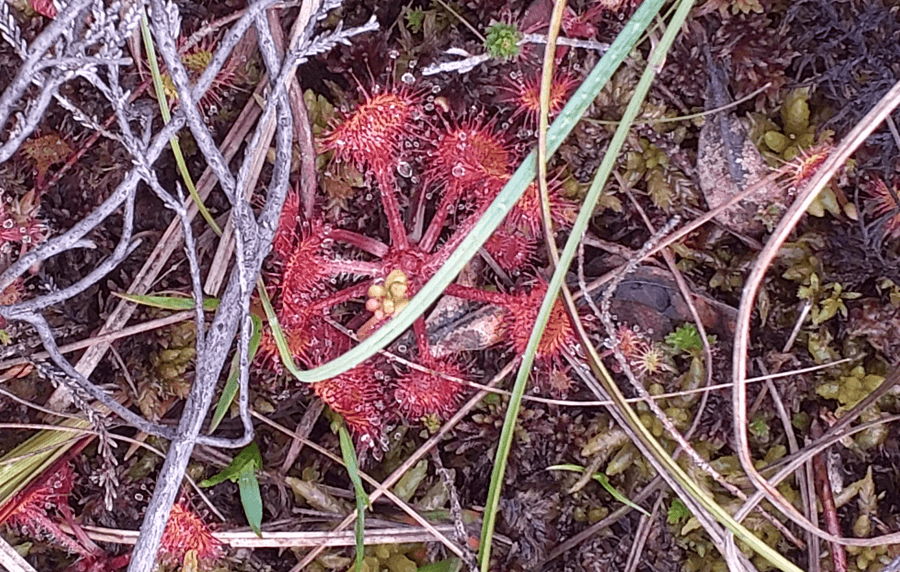
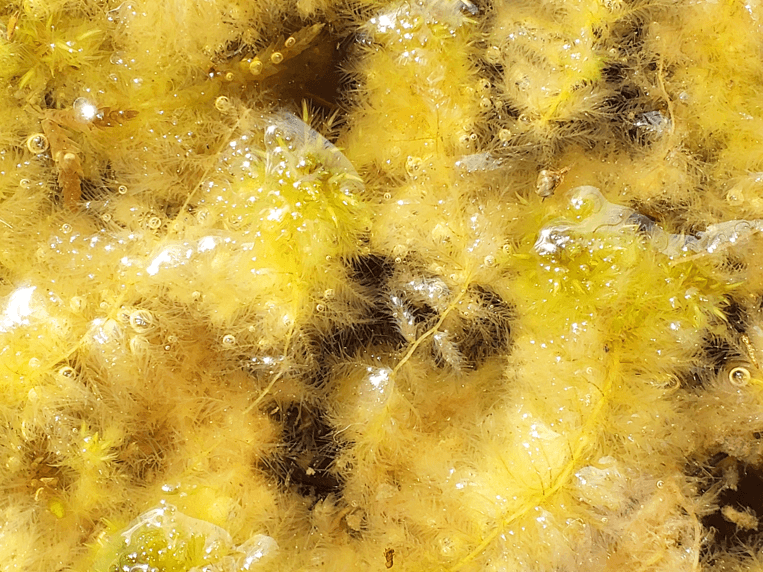
Over the course of seven months, over a hundred kilometers of man-made drains and nine additional hectares of associated areas of micro-erosion have been repaired, as well as treated.
The benefits of this restoration include carbon storage, reducing annual peatland carbon emissions and in turn translating to potential financial returns, as well as restored hydrological balance, improved resilience to climate change, and enhanced biodiversity.
Additional resources:
• Read more about the science behind peatlands and how we're restoring them here
• How 80% of the UK's peatlands became degraded or modified?